Edible Madison Feature | Driftless Folk School Turns Twenty
We are so honored to be featured in the winter edition of Edible Madison!
Thankful for these past 20 years & looking forward to what the future holds!
Read the full article here:
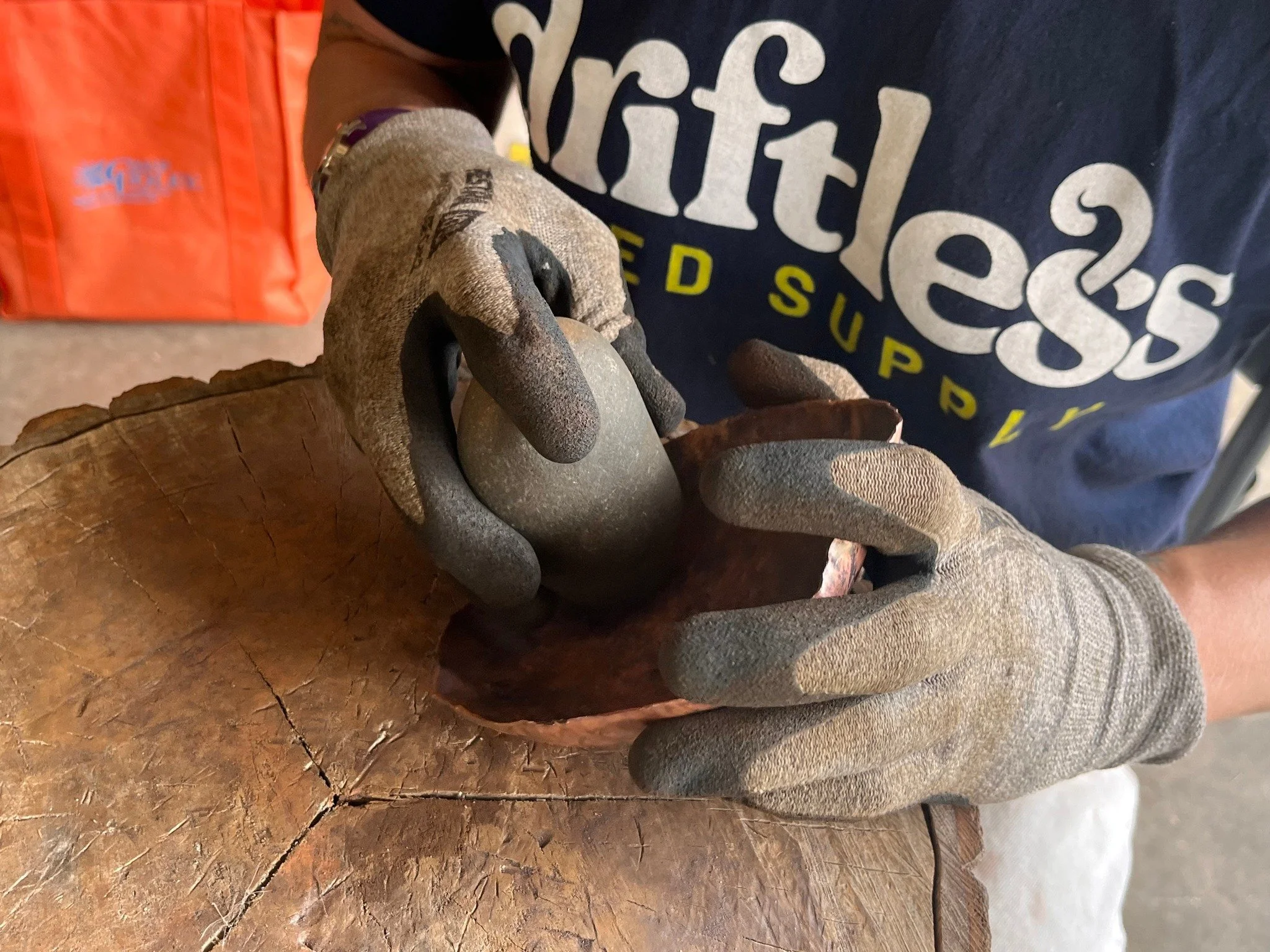
“It is all about relationships,” says Martha Buche. She holds a basalt rock in one hand, a piece of the ancient lava flows that formed the basin of Lake Superior. Millions of years later, the sands and sways of Lake Superior have since polished the rock into a smooth, rounded cobblestone. Buche will use this as a hammer. In her other hand, Buche holds a shining sheet of copper. The copper is symbolic of the nearly pure copper deposits within the Lake Superior basalt. Copper that Indigenous peoples around Lake Superior—Gichigami in Ojibwe—have worked with for thousands of years.
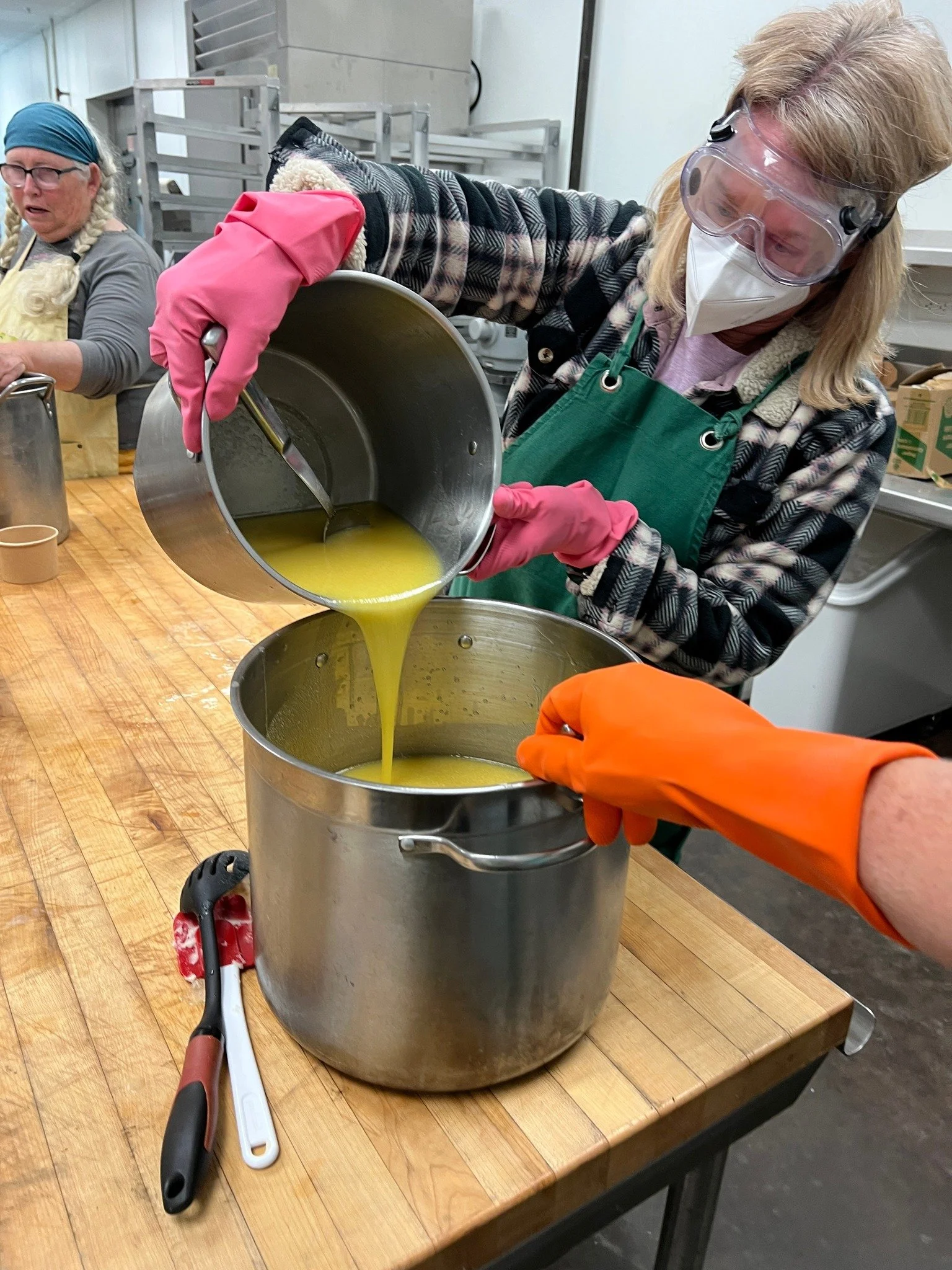
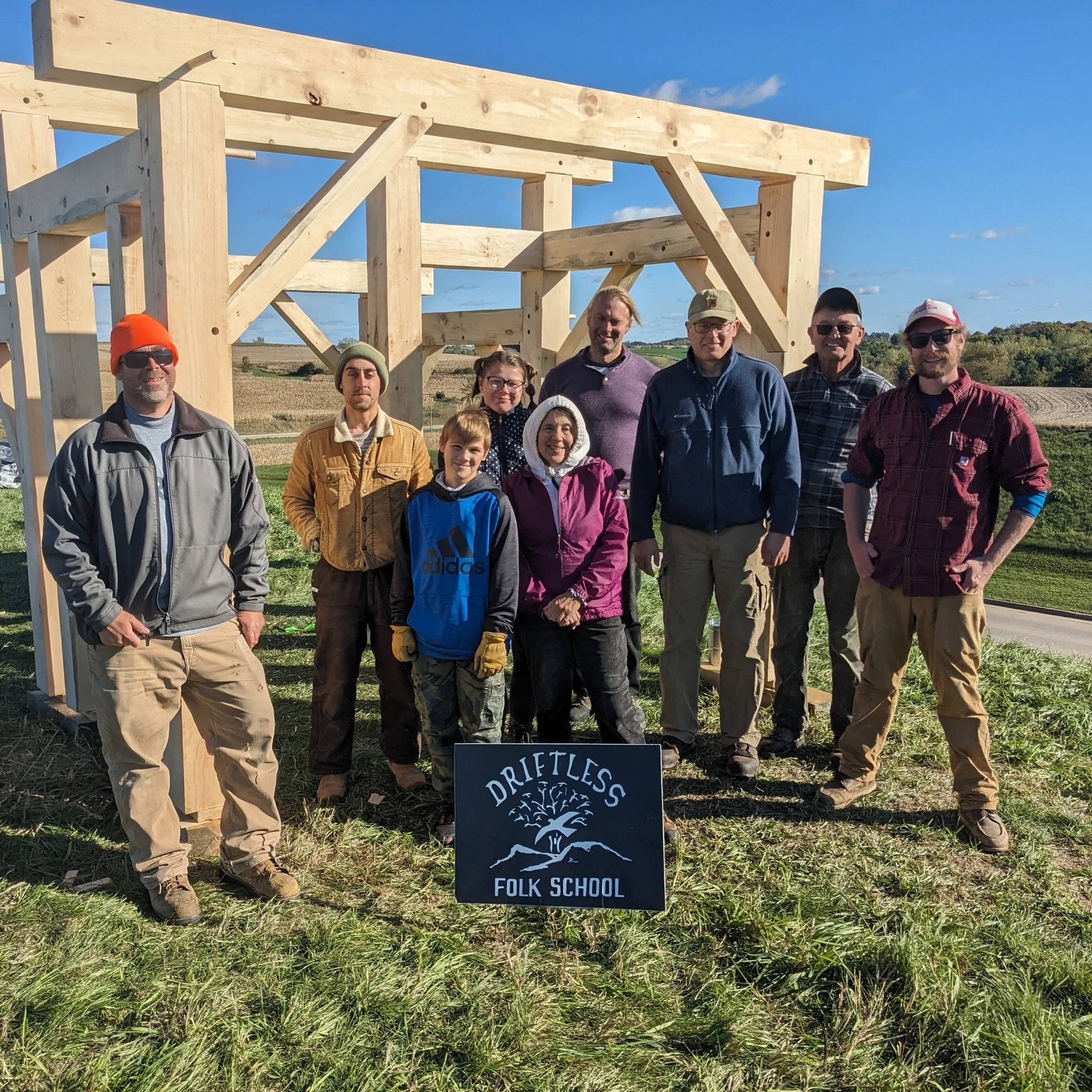
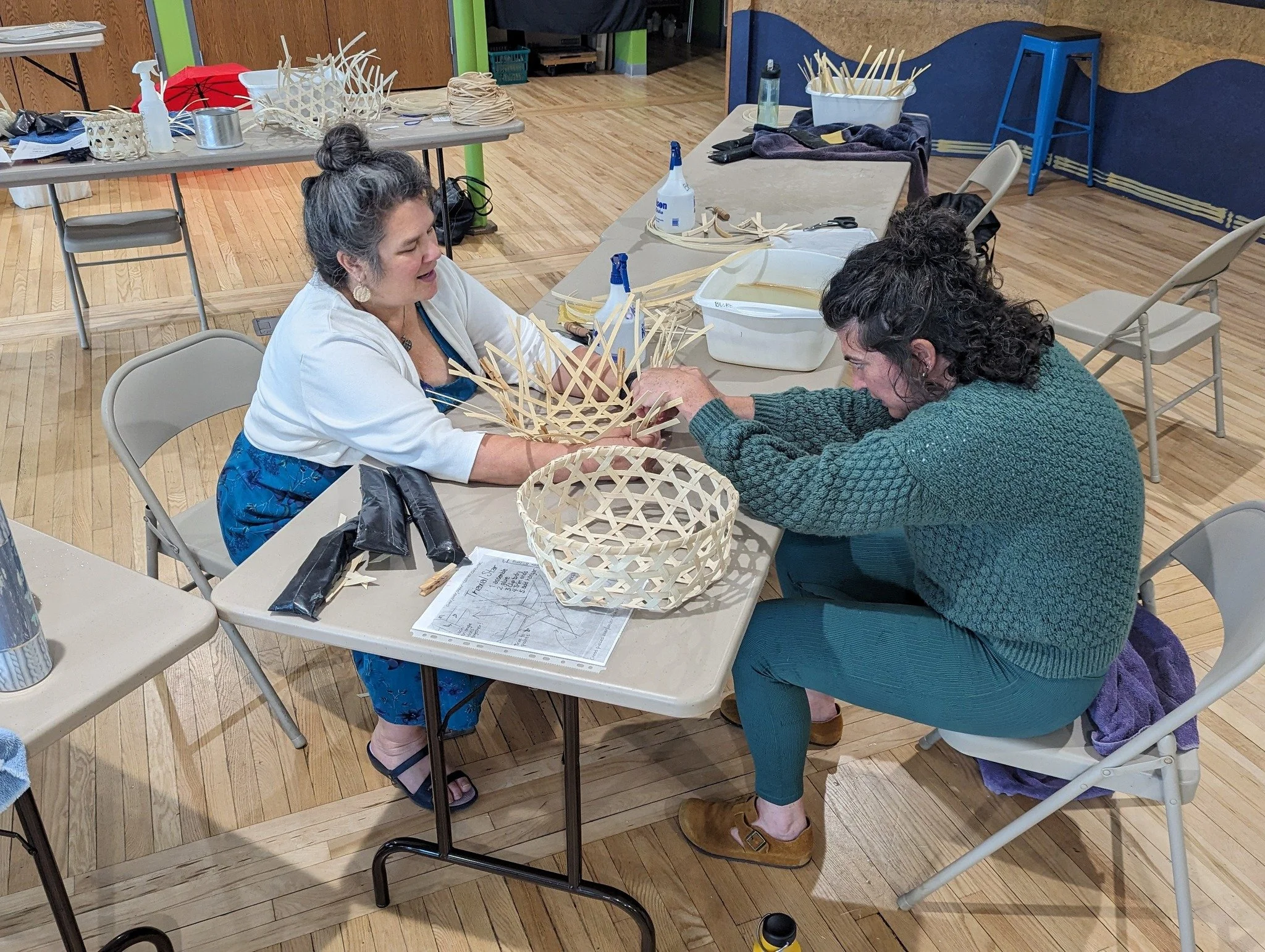
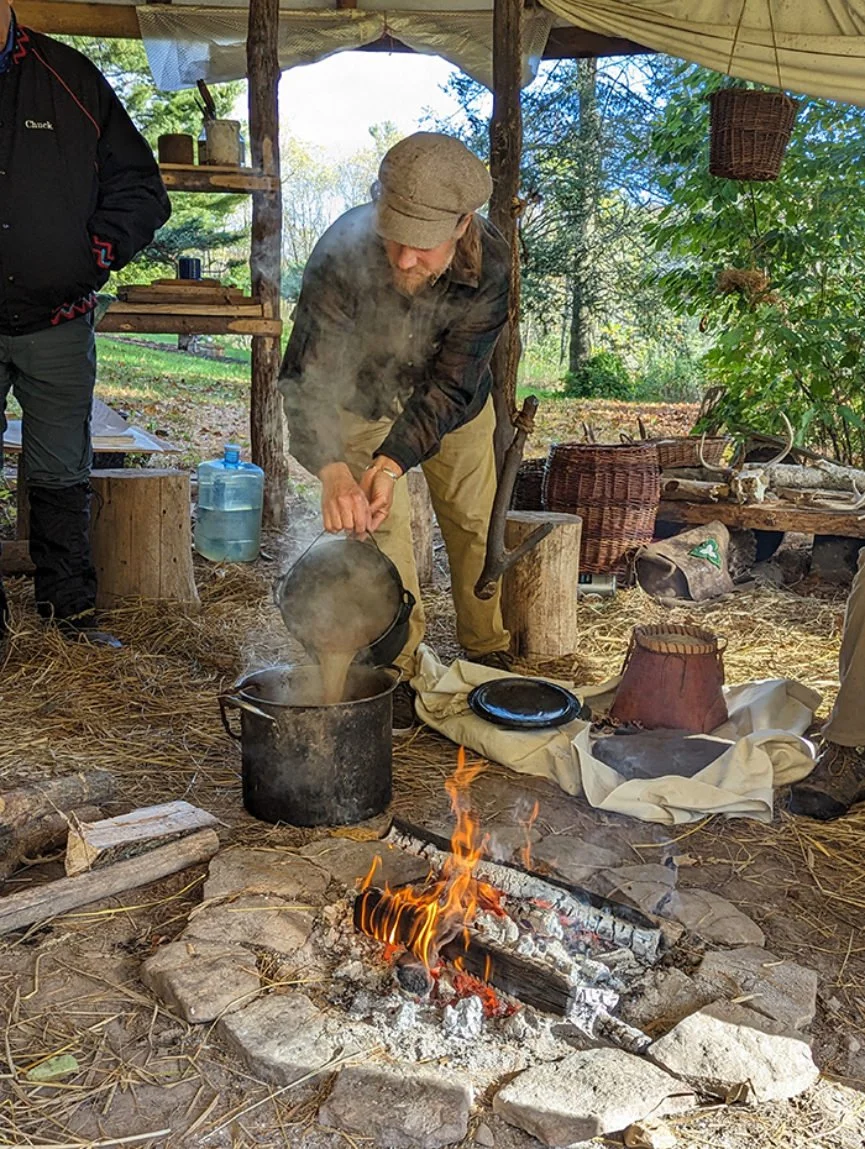
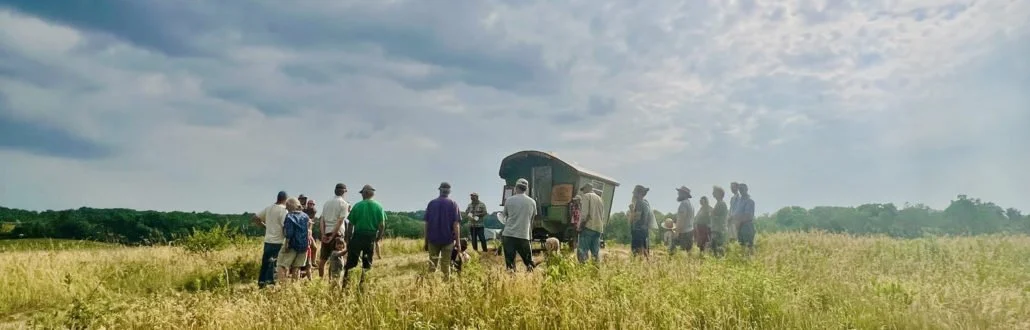
Buche speaks to ten of us gathered in a garage just outside Viroqua. We are here to learn how to fire and hammer copper sheets into bowls following the traditions of Buche’s Potawatomi ancestors. The class is offered through the Driftless Folk School (DFS), a Viroqua-based organization that offers courses ranging from food preservation and foraging to home electrification. Like the folks of the Driftless Region, the courses take place scattered throughout the hills and hollows from La Crosse to Gays Mills. They are held at instructors’ own homes, community kitchen spaces and forested areas like the Kickapoo Valley Reserve. “It is expressive of the lives of people who are living here and of the biology of this place as well as the topography,” explains DFS Executive Director Jacob Hundt.
Today, DFS operates under the nonprofit umbrella of Thoreau College, a “microcollege” that offers immersive residential gap-year programs for young adults. Their curricula involve a wide variety of folk arts and homesteading skills, as well as academic work and wilderness expeditions. Through the merging of Thoreau College and DFS in 2021, a more intergenerational skill-sharing has taken root between folk school instructors and participants and Thoreau College students and fellows.
Before we begin hammering our copper pieces, Buche reminds us that this is not a task of brute force, but of listening. We are in relationship—with the copper, the basalt and the fire. As we work, we tap our bowls intermittently, listening for a change in tone. This change signals when the copper has become hard and brittle. Once hardened, we return our bowls to the fire outside until the molecules realign to make our bowls ductile again.
In the case of these copper bowls, the relationships we are attuning to are with copper, basalt, and our own ears and hands. But for DFS, these skill-sharing classes are not just about relationships between individuals and the materials. They are about building relationships between people. As Hundt says, the goal is to “build community resilience through dense, social interaction.”
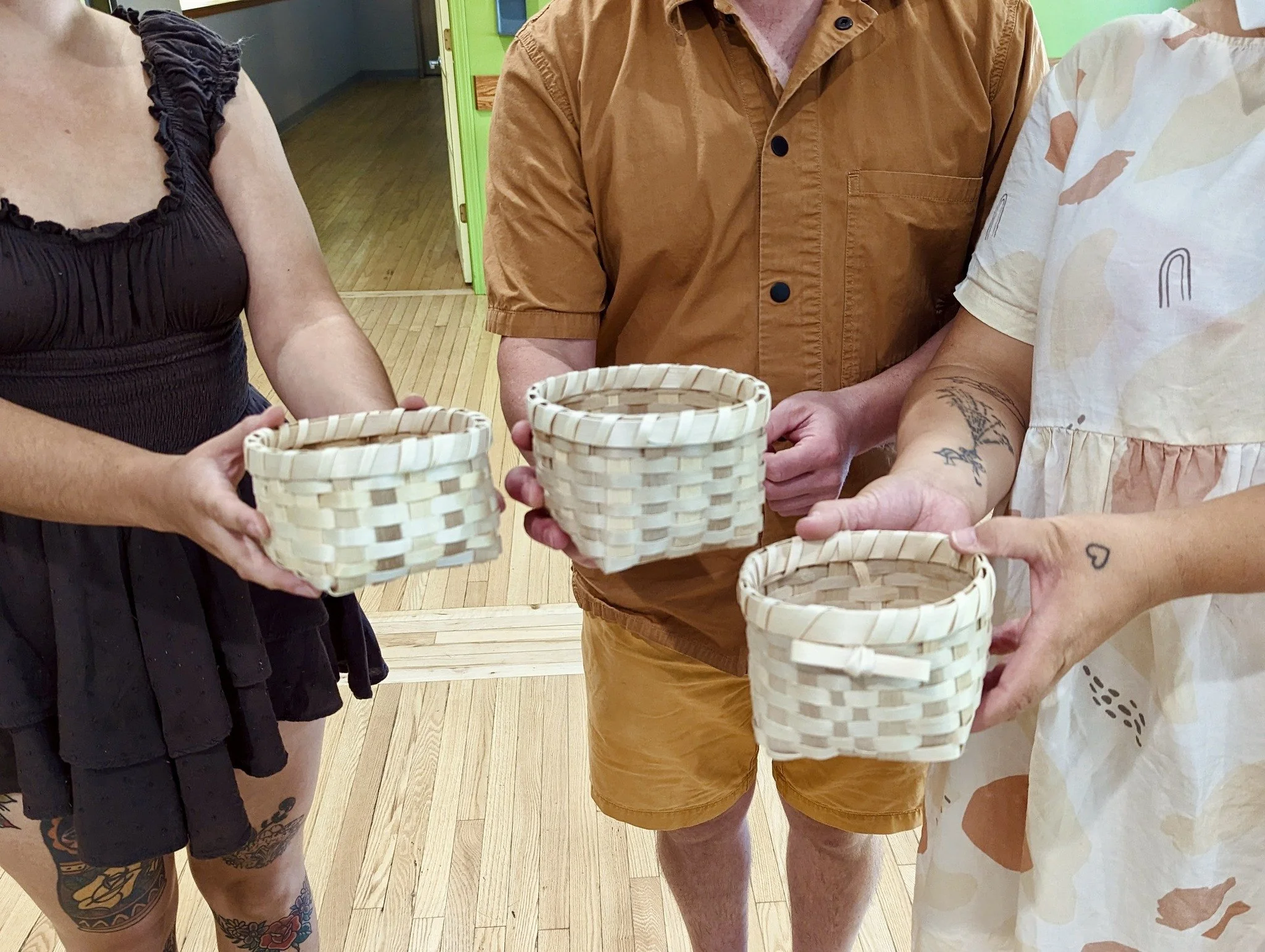
Like other U.S. folk schools, DFS follows a philosophy rooted in culture-building through personal development. The model traces back to 19th-century Danish folk high schools, inspired by philosopher N.F.S. Grundtvig. These schools were spaces for the peasant classes of Denmark, much of the country at the time, to learn traditional crafts alongside philosophy and political thought in an explicitly noncompetitive and nonhierarchical space.
“Bildung is the word that [the folk school movement] has come to be associated with,” Hundt tells me. “That's German, which corresponds to a Danish word called dannelse.” Both these words, at times directly translated to “education,” can be more accurately understood as the development of whole humans alongside the formation of culture. “The development of a people, a folk, is tightly and integrally connected with the formation of healthy human beings,” Hundt adds. And many people credit folk schools as a reason for Denmark’s peaceful transition from one of the poorest countries in Europe to the advanced social democracy it is today.
Inspired by these schools, American educators started the first U.S. folk schools in Appalachia in the 1920s. Their aim was to uplift the rural and impoverished Appalachian communities by “bringing out a people”—uplifting their unique song, dance and craft. The first two American folks schools, the Highlander Folk School and John C. Campbell Folk School, uplifted labor organizing and craft, spurring significant local economic development. The Highlander Folk School, now known as the Highlander Research and Education Center, also emerged as a central organizing and teaching space for the Civil Rights Movement in the 1960s.
With the rise of the internet, folk schools have, seemingly paradoxically, risen in parallel. Founded in 2006, the DFS is entering its 20th year. It was born out of conversation amongst friends around a homestead kitchen. Shortly after, a folk school wave hit the U.S. According to the Folk Education Association of America, nearly 70 new folk schools launched in the last 15 years.
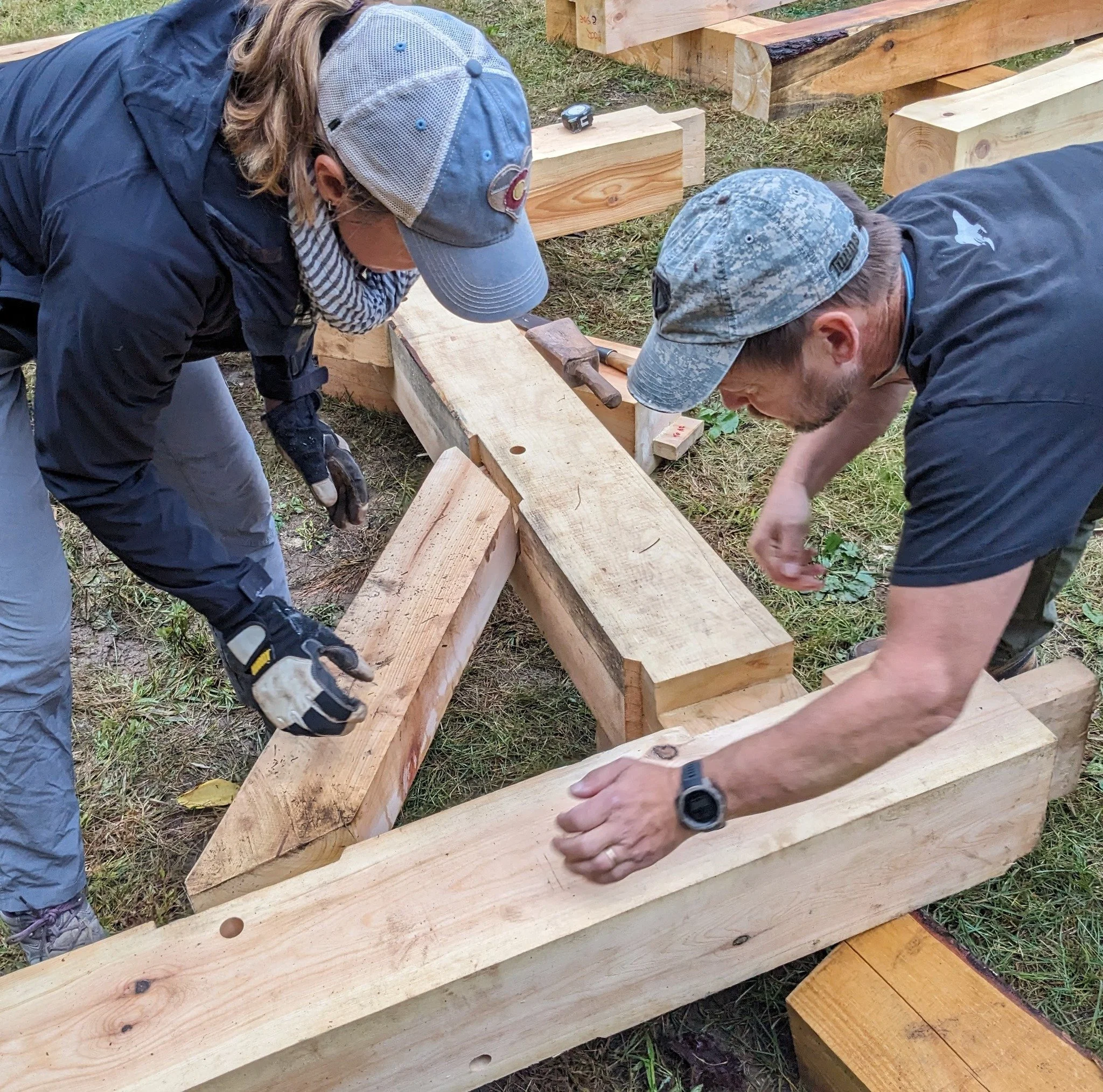
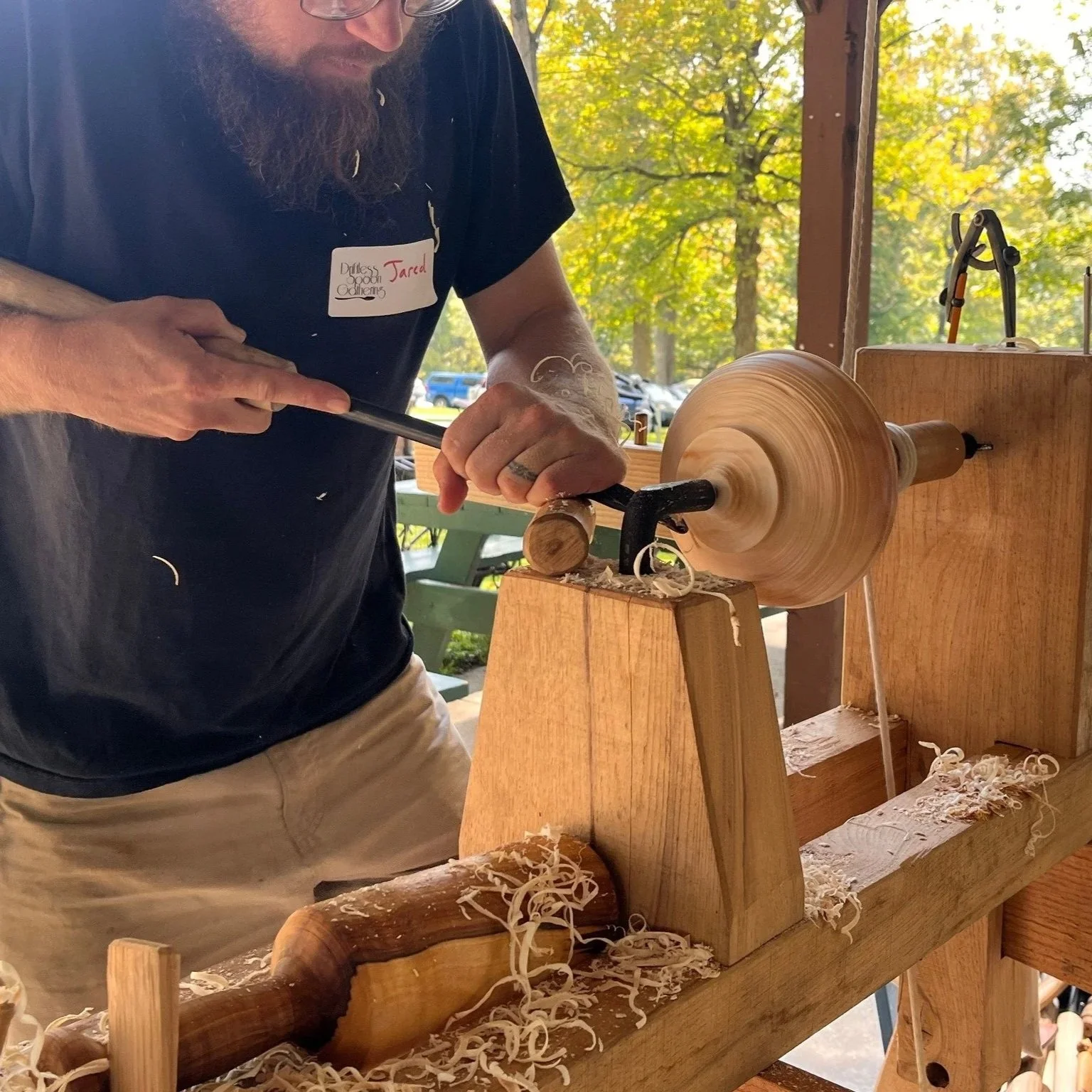
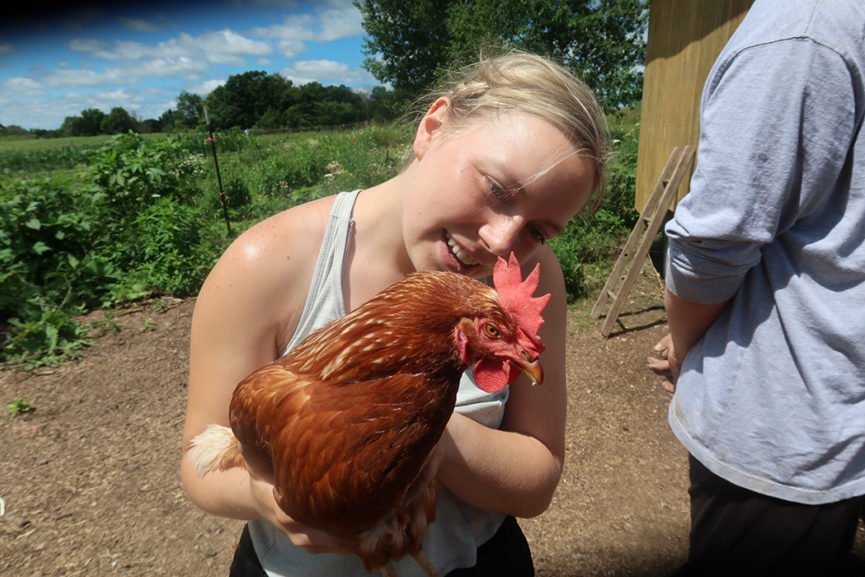
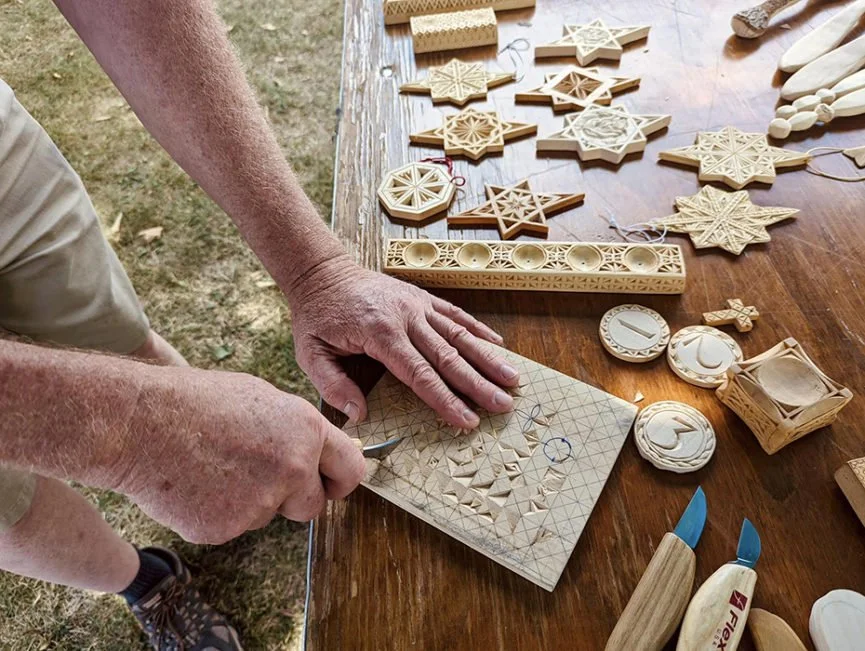
“The skills we learn on the internet are so decontextualized,” Hundt observes. Instead of learning how to process chickens or carve a spoon solely through a YouTube or TikTok video, people watch these videos and then seek to dive deeper, hands-on and with other people.
Lauren Proffitt, the DFS Fellow for Thoreau College in 2025, met participants across dozens of folk school courses last year. Reflecting on their experiences, Proffitt notes, “People think they are alone in something. Then they find the folk school.” The noncompetitive structure allows students to grow their skills and “feel less bashful about what they don’t already know.”
Some participants want to use these skills in their own lives. Others simply want to have a better appreciation for the tools, materials and foods they already use or consume. In a beloved “Farm to Yarn” course, students follow the yarn process from a Driftless sheep farm to drop spindle spinning. While some folks plan to raise sheep or spin their own wool, others just want to better appreciate where their yarn comes from. “It’s not just product generation,” Proffitt says. It is a different way to relate to materials and people's surrounding ecosystems.
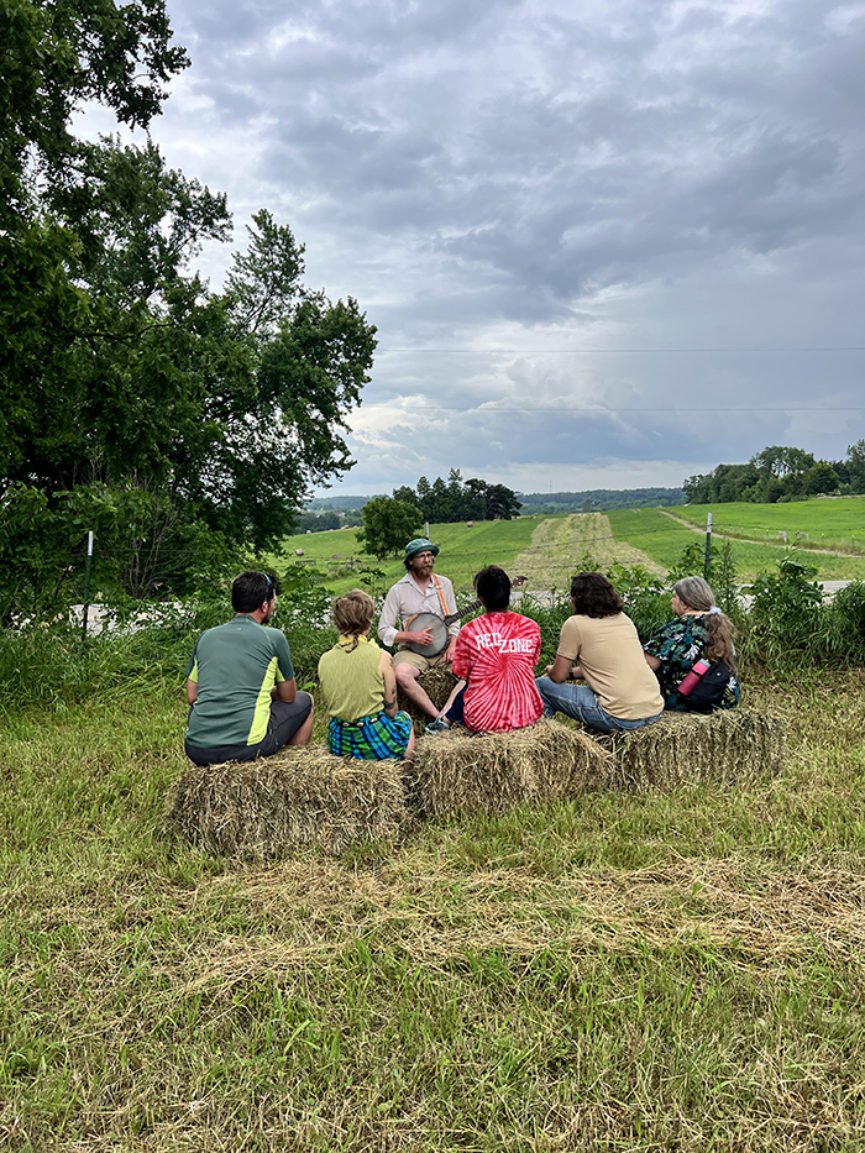
Folk schools across the U.S. offer a wide range of courses. Some focus on community singing. Others organize around history and activism. Many celebrate traditional crafts. Across all offerings, folk schools all are tied together by this noncompetitive, place- and folk-based learning. As Grundtvig scholar Ludwig Schroeder said in 1872, “Stick your finger down into the ground and smell where you are! This is where the needs of the people are found, which can be different in different times and places. Where this meets the abilities of the teacher, there lies the hojskole’s [folk school’s] calling.”
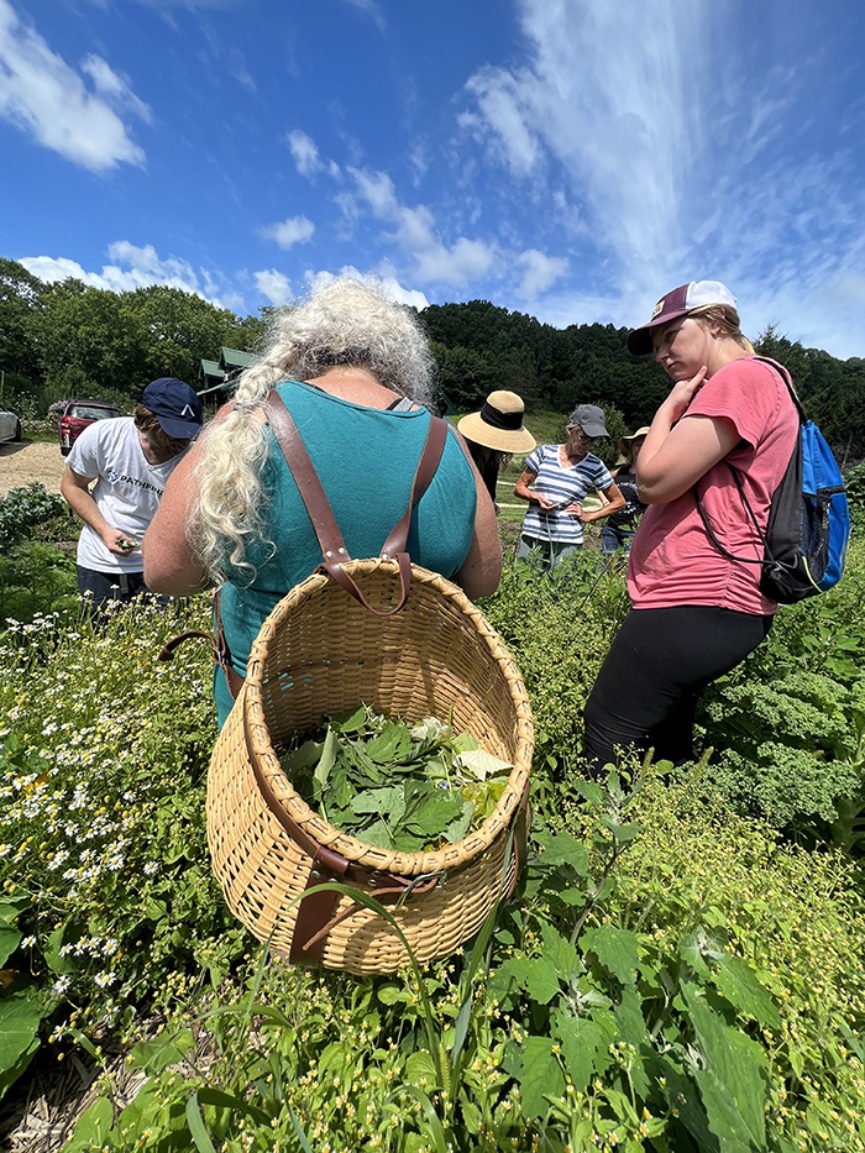
At the Driftless Folk School, the earliest courses centered on green building, food production and preservation, reflecting the values and cultures of its founders. Today, foraging, herbalism and wildlife- tracking have become core to the curriculum, evolving alongside the interests of instructors and students.
As the community grows and changes, so too will the skills taught, not only mirroring the existing culture but actively shaping and sharing the one they hope to pass on. “It is like sourdough,” says Hundt. When he and his wife taught the first-ever DFS course in 2006, it was sourdough bread-baking. “And the thing I love about teaching sourdough is that [with] sourdough culture, like love, the more you give away the more you have.”